From 17-year-old bedroom producer to global dance music icon

The spark that started it all
Martin Garrix was eight years old when he watched Tiësto perform at the opening ceremony of the 2004 Olympic Games in Athens. Seeing a DJ perform to a global audience sparked something in him: he knew he had to make music himself.
Growing up in the Netherlands, Garrix discovered FL Studio as a teenager. He spent years honing his craft and discovering what FL Studio could do. Those years of hard work led to Garrix finding the sound he was searching for, but no one was ready – not even Garrix himself – for what was about to happen.

The rise of "Animals"
"Animals" dropped in June 2013 when Garrix was only 17 years old. The track's aggressive simplicity, enormous drop, and one unmistakable synth lead made it a worldwide phenomenon – reaching number one in multiple countries and number 21 on the US Billboard Hot 100, and making Garrix the youngest Dutch artist ever to top the UK singles chart. Not bad for a teenager making beats on FL Studio in his bedroom.
The success of “Animals” launched Garrix into the spotlight and gave a generation of aspiring producers proof that a global hit could be made with just a laptop and an idea. His interview with Future Music, where he walks through exactly how "Animals" was assembled in FL Studio, is where a lot of those producers encountered the software for the first time.

A workflow built around speed and ideas
“Animals” arrived at a moment when bedroom production was becoming more accessible, and Garrix became a living example of what a young producer could achieve without a traditional studio or industry connections. For aspiring producers, it showed that the tools to make professional-level music were already within reach.
Today, as he always has, Martin Garrix uses FL Studio as the core of his creative process. He’s been specific about why over the years – the Piano Roll, the sequencing workflow, the layering flexibility, the native plugins – but it all comes back to one thing: speed. FL Studio removes the distance between an idea in your head and getting it into a project, and that’s mattered as much in the hardware-filled studios he works in today as it did in his bedroom.

“In FL Studio it's about the workflow and the speed of programming”
Never stop evolving
A breakout hit can often become a creative trap. For Garrix, it was a launchpad. He’s toured the world as a DJ, headlined festivals, and had his own full-circle moment closing the Winter Olympics in South Korea.
As his career expanded, so did the range of artists he worked with. He’s collaborated with Madonna, Dua Lipa, Usher, and Bebe Rexha, to name just a few. The scale of the names changed, but his priorities never did: emotion, melody, and energy, in that order.
While his pop collaborations gave him room to explore a more melodic side of his sound, he’s always kept his dance music connections close, working with frequent collaborators like Jay Hardway and Julian Jordan alongside names like David Guetta, Afrojack, Alesso, and many more.

Building beyond the music
Garrix's influence extends far beyond his own records. In 2015, Garrix walked away from his label and management over ownership of his music. Rather than sign elsewhere, he built his own home for it: in 2016, he launched STMPD RCRDS to give new artists a platform and provide an outlet for his own releases. The roster spans a broad range of electronic music, from progressive and melodic dance music to tech house and more experimental sounds. The label marked an important shift in Garrix's story: he was no longer just a producer; he became a founder and mentor.
More than a decade after "Animals", Garrix's process has grown dramatically in scale, but his mindset has stayed the same since he was 17. The studios, collaborators, and stages might be bigger now, but the idea always comes first, and it starts in FL Studio.
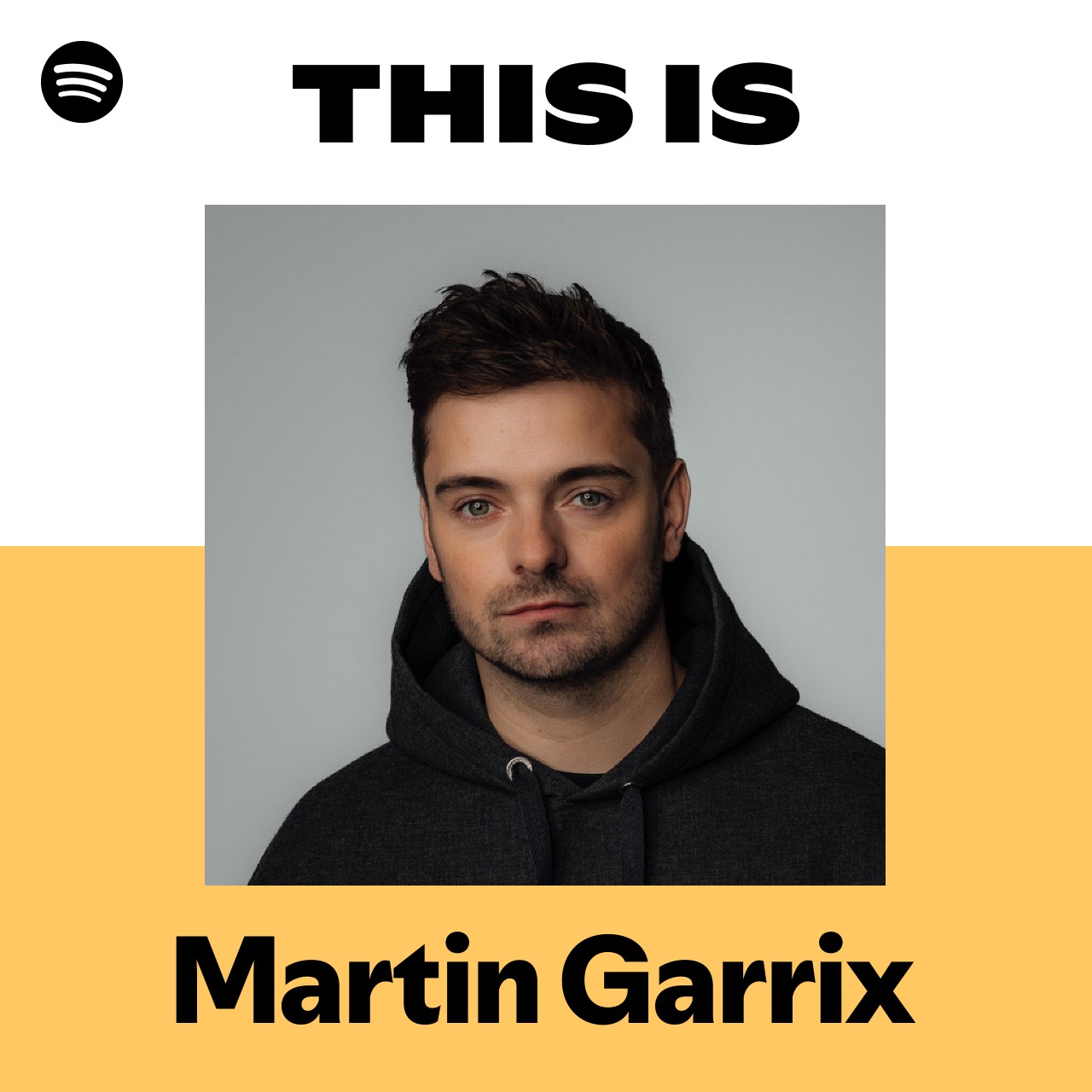

Martin Garrix uses FL Studio.
What will you create?
Start producing today with a free trial of FL Studio.
